Description
Currently in production – ready early spring 2027
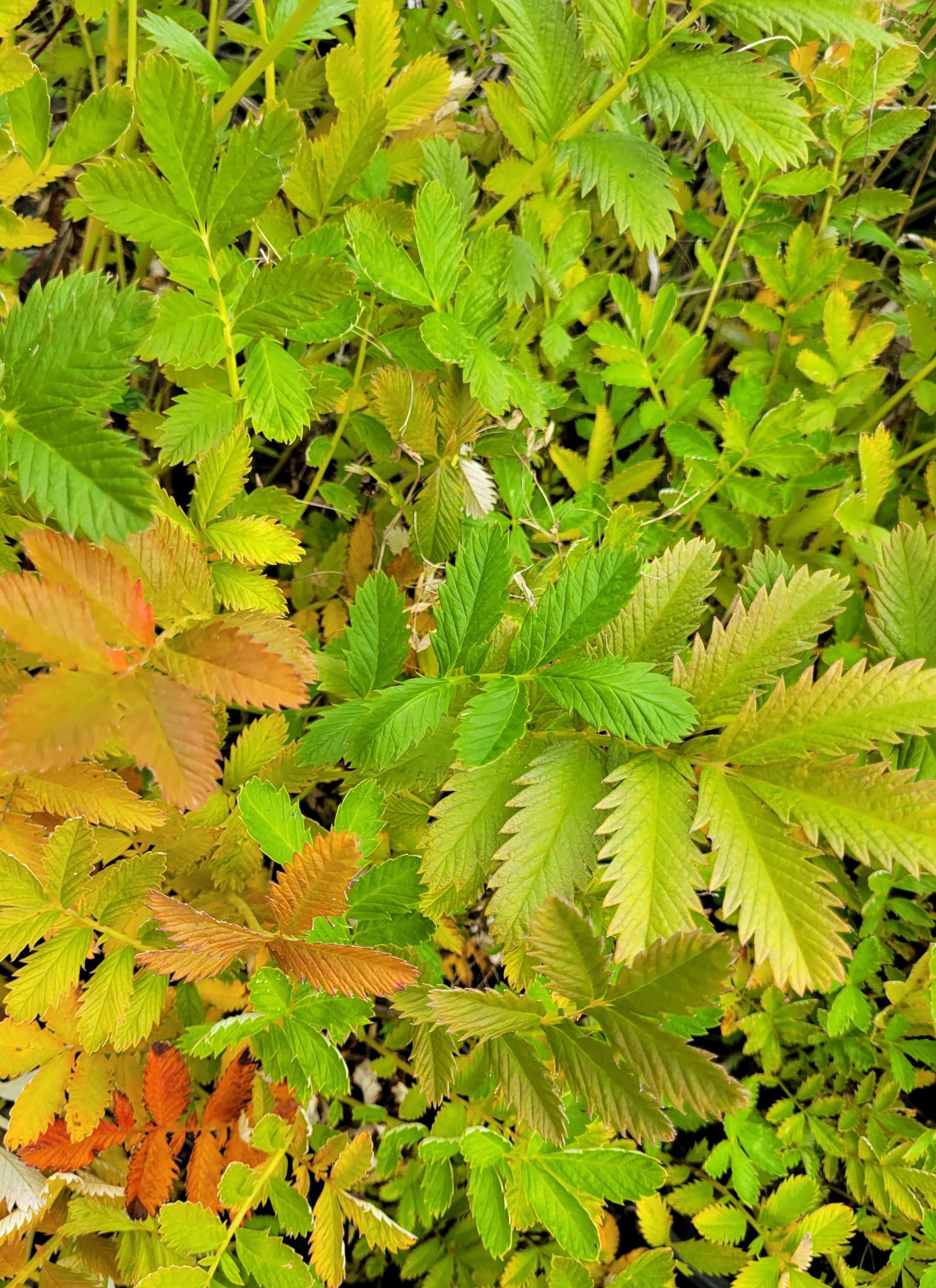
Fun Facts: The common name refers to its silvery undersides which create a nice contrast with the green, heavily serrated foliage. The flowers are yellow and five-petaled. It is native throughout the temperate Northern hemisphere where it grows along river banks and in grassy areas and along roadsides. It grows well in sandy and gravelly soils and spreads prolifically via rooting stolons. This is a good soil-stabilizing plant for challenging soils, but is opportunistic enough that it might become a problem in traditional garden settings.
In the past, the leaves were used in shoes to absorb sweat, and it was thought to be effective in treating epilepsy and to ward off witches and evil spirits. The roots – which has a parsnip-like flavor – were eaten by Native American tribes and enjoyed in Tibetan holiday celebrations when cooked in butter and sugar. The species moniker ‘anserina’ means ‘of the goose’. In the olden days, the leaves were used to fatten the geese. The origins of the plant reach far back in time. It is commonly featured in Pleistocene fossils in Eastern Europe.
Size and Zones: up to 12″ tall x spreading. Hardy to USDA zones 4-8.
Companion Plants: Sedum spathulifolium ‘Cape Blanco’, Campanula rotundifolia, Geum triphyllum, low grasses like Nasella tenuissima